From time to time and through normal conversation with friends we usually end up talking about our daily schedule. The question we receive frequently seems to be very familiar. Why do you wake up so early in the mornings?
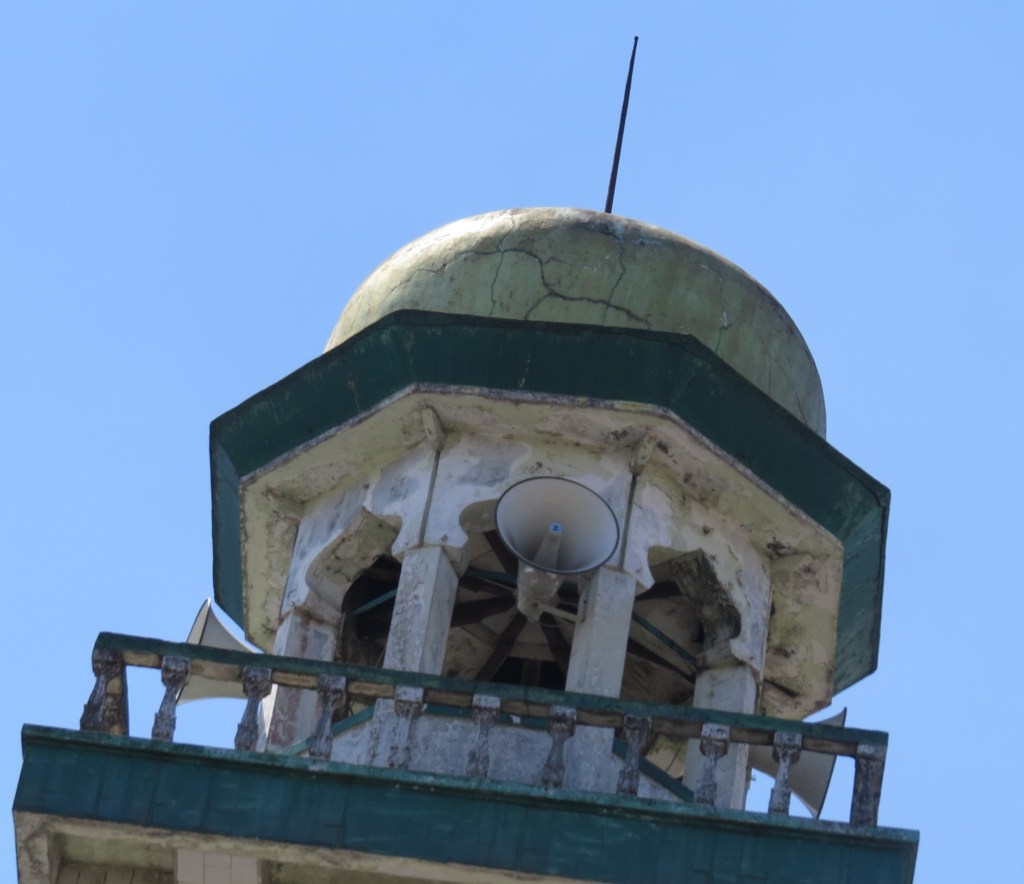
We live on the side of a mountain that overlooks a few villages and even part of our city. I have tried to count the number of Mosques that I can actually see or hear from our backyard. One evening I counted around 10. The closest one is about 100 yards from our home. All of them have large speakers in their domes and when it’s time to call the faithful to prayer–well, it’s loud. The first call begins around 4:00 AM.
I thought that I would use this blog posting to share with you an overview of the Muslim faith and their dedication to prayer. Hopefully you can learn something and at the same time undestand the land in which we now live. Please understand that I am not an expert but this will provide a nice overview of the people that we now live among.
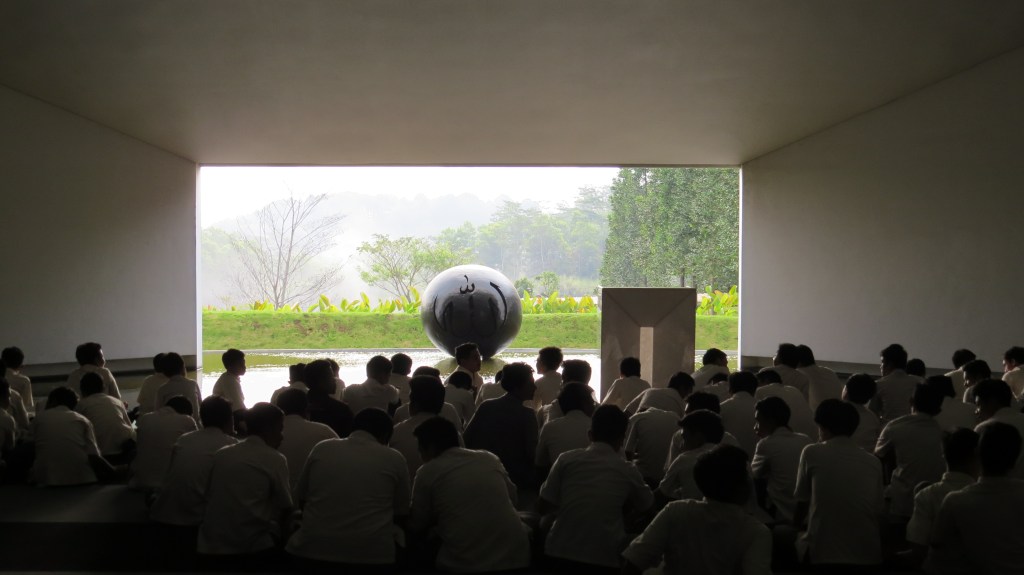
For Muslims, the five daily prayer times (called salat) are among the most important obligations of the Islamic Faith. Prayers remind the faithful of Allah to seek His guidance and forgiveness. They also serve as a reminder of the connection that Muslims the world over share through their faith and shared rituals.
The 5 Pillars of Islam
Muslims demonstrate their faithfulness by actively honoring the Five Pillars of Islam in their everyday lives. Daily prayer is the most visible means of doing so.
- Hajj: Pilgrimage to Mecca, Islam’s most holy site that all Muslims must make at least once in their lifetime.
- Sawm: Ritual fasting observed during the whole month of Ramadan.
- Shahadah: Reciting the Islamic profession of faith, called the Kalimah (“There is no God but Allah, and Muhammad is his messenger”).
- Salat: Daily prayers properly observed.
- Zakat: Giving to charity and aiding the poor.

How Do Muslims Pray?
As with some other faiths, Muslims must observe specific rituals as part of their daily prayers. Before praying, Muslims must be clear of mind and of body. Islamic teaching requires Muslims to engage in ritualistic washing (wudu) of the hands, feet, arms, and legs, called Wudhu, before praying. Worshippers must also be dressed modestly in clean clothing.
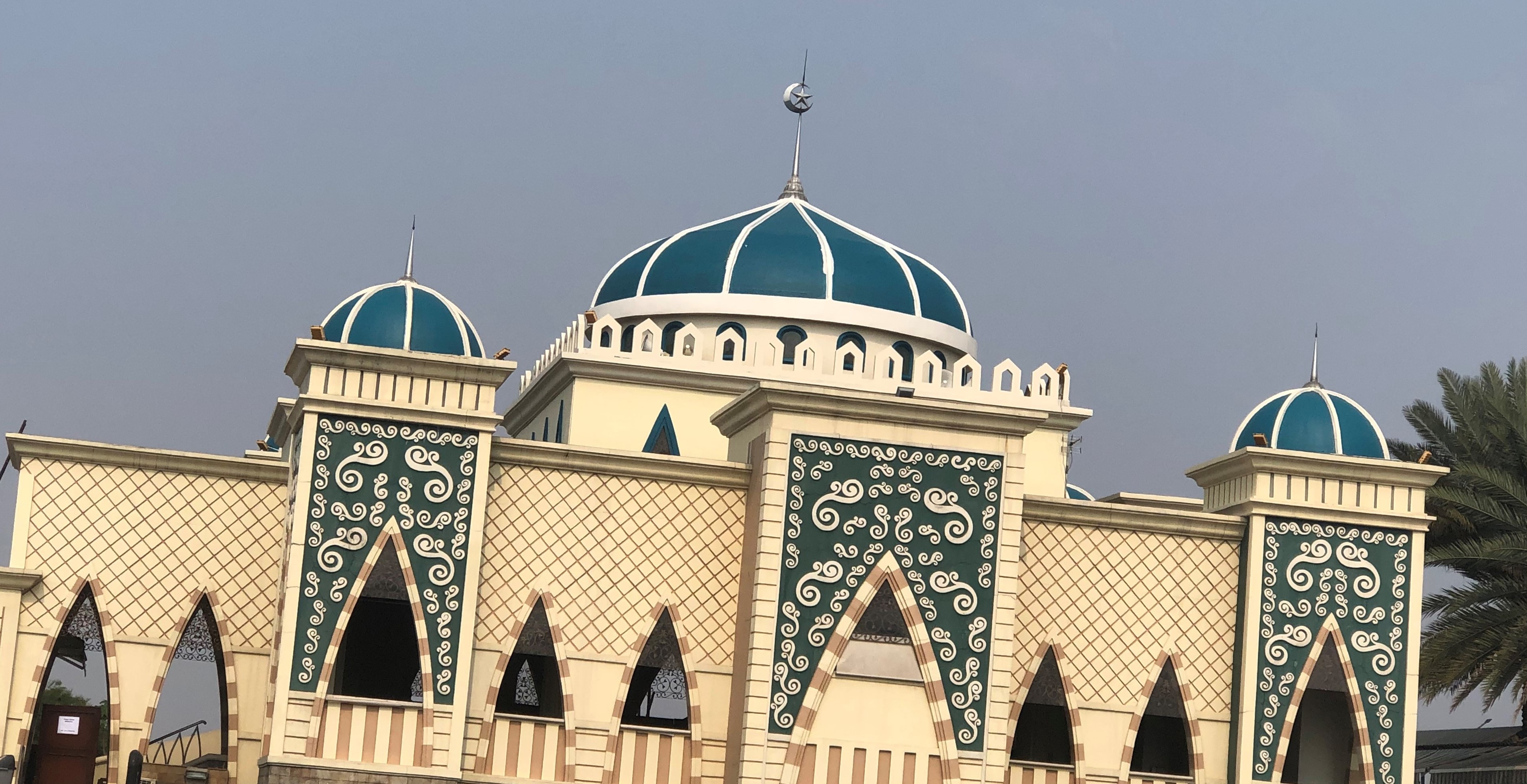
Once the Wudhu has been completed, it’s time to find a place to pray. Many Muslims pray at mosques, where they can share their faith with others. But any quiet place, even a corner of an office or home, can be used for prayer. The only stipulation is that the prayers must be said while facing in the direction of Mecca, the birthplace of the Prophet Muhammad.




Prayer Times
In Muslim communities, people are reminded of the salat by the daily calls to prayer, known as adhan. The adhan are delivered from mosques by a muezzin, the mosque’s designated caller of prayer. During the call to prayer, the muezzin recites the Takbir and the Kalimah.
Traditionally, the calls were made from the mosque’s minaret (tower) without amplification, though many modern mosques use loudspeakers so that the faithful can hear the call more clearly. The prayer times are dictated by the position of the sun:
- Fajr: This prayer starts off the day with the remembrance of Allah; it is performed before sunrise.
- Dhuhr: After the day’s work has begun, one breaks shortly after noon to again remember Allah and seek His guidance.
- ‘Asr: In the late afternoon, people take a few minutes to remember Allah and the greater meaning of their lives.
- Maghrib: Just after the sun goes down, Muslims remember Allah again as the day begins to come to a close.
- ‘Isha: Before retiring for the night, Muslims again take the time to remember Allah’s presence, guidance, mercy, and forgiveness.
In ancient times, one merely looked at the sun to determine the various times of day for prayer. In modern days, printed daily prayer schedules precisely pinpoint the beginning of each prayer time. And yes, there are also plenty of websites and apps for that.
https://www.islamicfinder.org/

Missed Prayers is considered a serious lapse of faith for devout Muslims. But circumstances do sometimes arise where a prayer time may be missed. Tradition dictates that Muslims should make up their missed prayer as soon as possible or at the very least recite the missed prayer as part of the next regular salat.
We would love for you to come and visit! We have a guest bedroom and it would be our pleasure to show you our new surroundings. But consider yourself warned, our neighbor has a chicken coop next door and his roosters are convinced that sunrise is at 2:30 AM. Either way, you too will be waking up early.
 Why Not Indonesia & Japan -- By, Ismael Sapoval