On April 22, 2020 Muslims in Indonesia and throughout the world started their annual fast that takes place during the month of Ramadan, the ninth month of the Muslim calendar. According to the Muslim Hijrah calendar the year is made up of twelve lunar months lasting 29 or 30 days. It is about eleven days shorter than the Gregorian calendar and we are now in the year 1441.
During Ramadan Muslims must refrain from eating, drinking, smoking and sexual relations between sunrise and sunset. It is believed that fasting heightens spirituality and develops self-control. Each day a special effort is made to say the five daily prayers. The morning prayer is said after sahur, the pre-dawn meal and the fast is broken at sunset.
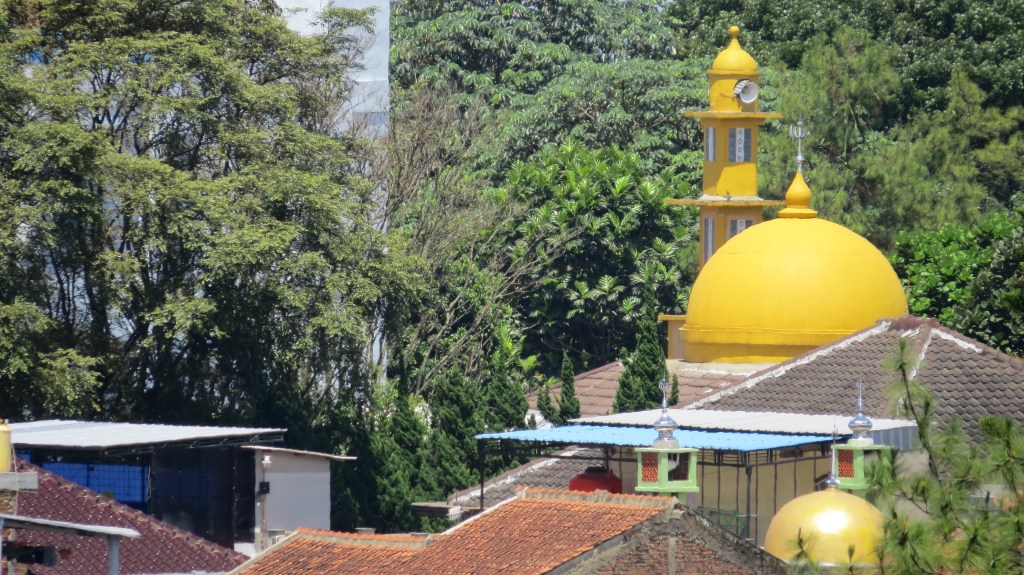
The end of Ramadan is a joyous occasion called Idul Fitri, commonly referred to as Lebaran in Indonesia, and is celebrated with special prayers, feasts, sweets and gift giving to celebrate the successful completion of the fasting month. The Arabic meaning of Idul Fitri is “becoming holy again”. Lebaran is a public holiday all over Indonesia, and in 2020 the holiday fell on May 23-24. The exact date is determined by the sighting of the new moon indicating the beginning of the tenth month Syawal. The government makes an official announcement on the eve of Ramadan so that the faithful know when to begin and end the fasting month.

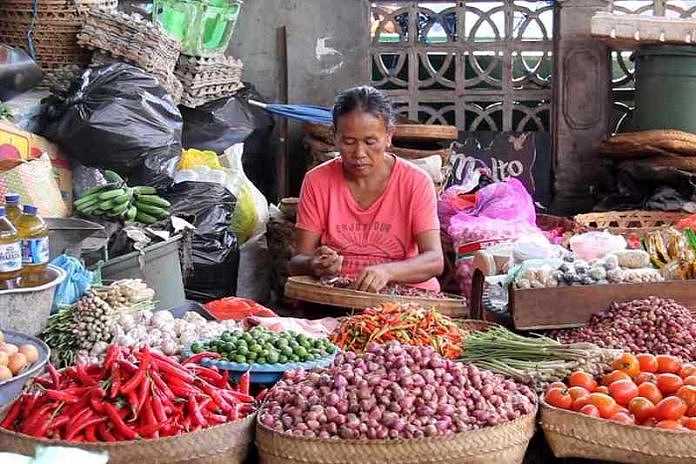
We were able to notice a growing excitement among our Muslim friends as Lebaran approached and they made plans for their special celebration. A government regulation requires that a one month bonus be paid to all household staff and salaried employees prior to the holidays. This bonus should be given a couple of weeks before Lebaran in order to allow them plenty of time to buy new clothes, gifts and special treats to take home for their relatives in their villages.
This is the time of year when Muslims usually buy new clothes and various civic, charitable neighborhood organizations will hold “pasar amal” or sales of goods, especially clothing at discounted prices to help the poor celebrate the holidays with new clothing and special foods. For the wealthy, Lebaran is a time to show off their newest fashionable Muslim apparel.


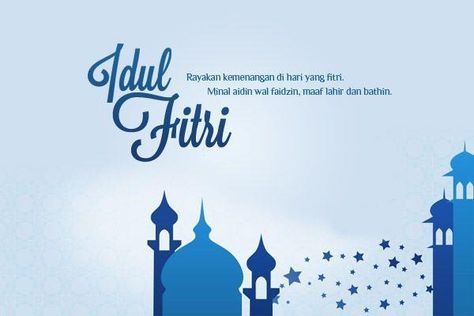
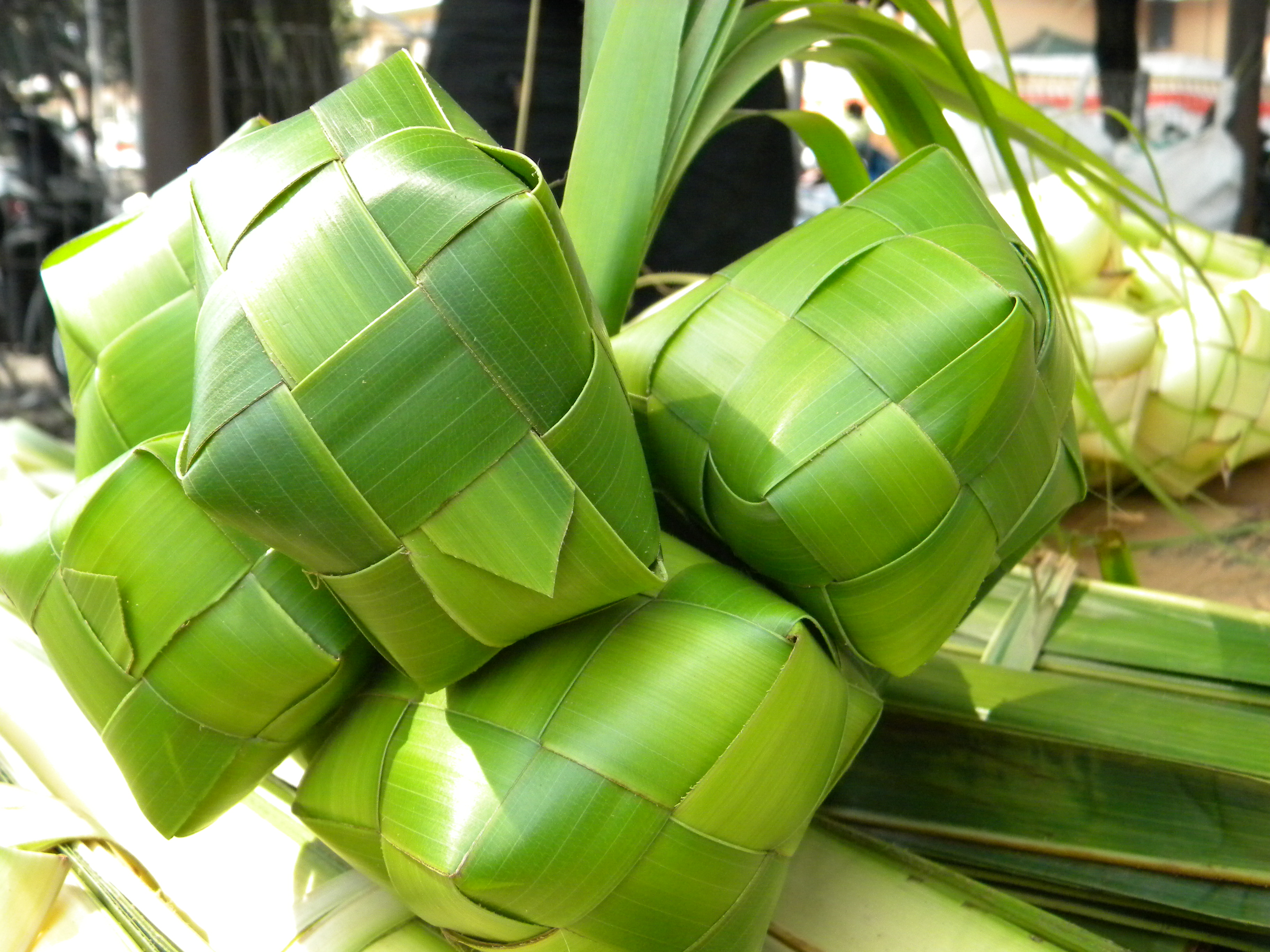
Shops throughout the city sell greeting cards, which many people send to their Muslim friends. Designs of Lebaran cards do not depict people or animals thus geometric designs, mosques, traditional textiles or ketupat (traditional Lebaran food) are common. Many cards have the date of 1 Syawal 14__ H written on the card. You need to fill in the appropriate year in the space. In 2020 the Hijrah year is 1441. The greeting inside Lebaran cards is usually: “Selamat Hari Raya Idul Fitri Maaf lahir dan batin.” This means: “Happy Idul Fitri. I am sorry from the bottom of my heart for my wrong doings in the past year.” Depending on where their homes are, many will want to take one to two weeks off during Lebaran to visit their family in their particular village.
“I am sorry from the bottom of my heart for my wrong doings in the past year”
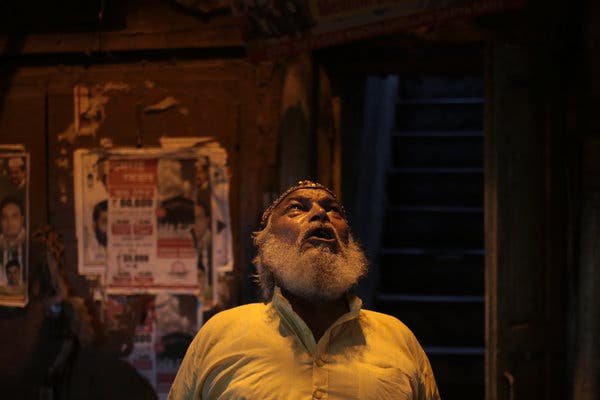
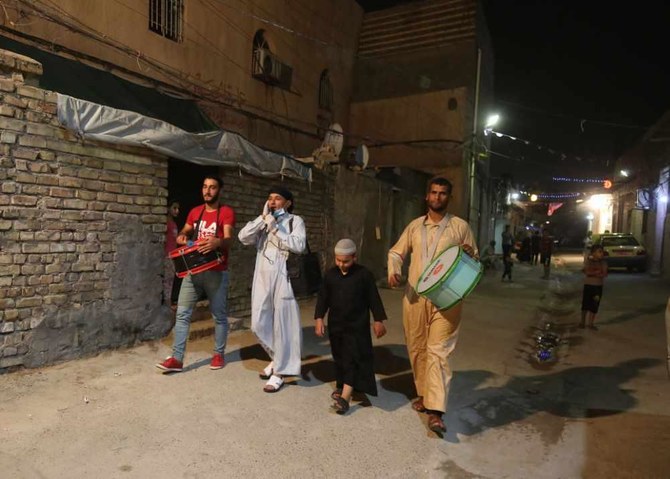
During the month of Ramadan, traditional drums are beaten at sunset for the prayers and to notify the faithful that it is time to break the fast. On the evening of the last day of Ramadan they are also beaten in the takbiran celebrations, either in stationary locations, or in parades through the streets and this may go on all through the night. Takbiran is the prayer celebration heralding the Idul Fitri holiday.
Idul Fitri begins with mass prayer gatherings early in the morning at mosques and large open areas around the country. On the walk home from the prayer, quick visits are made to greet friends in the neighborhood. Visits are made to the graves of deceased family members to pay respects, clean the graves and leave flowers.

Later in the day, with everyone dressed in their new clothes, visits are made to close family members around town, starting with one’s parents. At each house, drinks and cookies or snacks are served until you can hardly eat any more. These customs may entail several days of visiting relatives and often there will be a gathering of family members at the senior-most relative’s house.
JoAnn and I were blessed when Muslim friends stopped by our home with delicious traditional food, fresh baked pastries and fruit. We felt accepted!
Lebaran is a joyous time for mutual forgiveness when pardon is asked for all wrongs done during the past year. Begging of forgiveness for any transgressions or slights in the past year is expressed during visits with the words “Mohon maaf lahir dan batin”. In traditional Javanese families the younger person kneels and bows their head to the elders’ knees and asks for forgiveness demonstrating the respect given by young people to the family elders.



The celebration of Lebaran is a very special occasion for Muslims as they look forward to it every year with great anticipation. With this whole COVID 19 and it’s many restrictions on movements and travel, we know that it was not the same. Nevertherless, JoAnn and I were blessed to experience many new things during this season of our lives.


Thank you. Educational for us Protestants!! Hope you guys are healthy and well. 🙏🏻Ramadan🙏🏻
Sent from my iPhone
>
LikeLike
Very interesting!
On Mon, May 25, 2020 at 2:53 AM Why Not Indonesia wrote:
> Ismael Sapoval posted: ” On April 22, 2020 Muslims in Indonesia and > throughout the world started their annual fast that takes place during the > month of Ramadan, the ninth month of the Muslim calendar. According to the > Muslim Hijrah calendar the year is made up of twelve lunar mo” >
LikeLike
Thank you for the update. Praying for your ongoing ministry!
LikeLike